

When Mental Toughness Masks Mental Struggle: Understanding OCD in Athletes
*NOTE: WHILE THIS ARTICLE FOCUSES ON OCD IN ATHLETES, AT AATC WE CAN HELP EVERYONE WITH ALL LEVELS OF ANXIETY RELATED TO SPORTS, FROM THE CASUAL PLAYER (FROM KIDS TO ADULTS) TO HIGH PERFORMERS.
In the world of athletics, mental toughness is often revered. Traits like discipline, focus, and repetition are seen as pertinent to elite performance. But what happens when those same traits become excessive, rigid, or distressing? In some situations, they may be signs of obsessive compulsive disorder (OCD).
OCD in Athletics: A Hidden Epidemic
A 2017 study published in the American Journal of Psychiatry showed that 5.2% of college athletes met criteria for OCD, and this was especially seen in those in high-performance or perfection-driven environments. However, the prevalence may be significantly higher. Why? Because many characteristics of competitive sports overlap with OCD symptomatology such as ritualized routines, high self-monitoring, perfectionism, and fear of failure. But while these traits may be lauded as evidence of dedication, they can also mask psychological distress when they cross into compulsive territory.
What Does OCD Look Like in Athletes?
OCD in athletes doesn’t always fit the stereotypical mold (e.g., excessive handwashing or checking). It can manifest in ways that can be easily misinterpreted as good training habits or competitive quirks:
- Ritualized Behaviors:
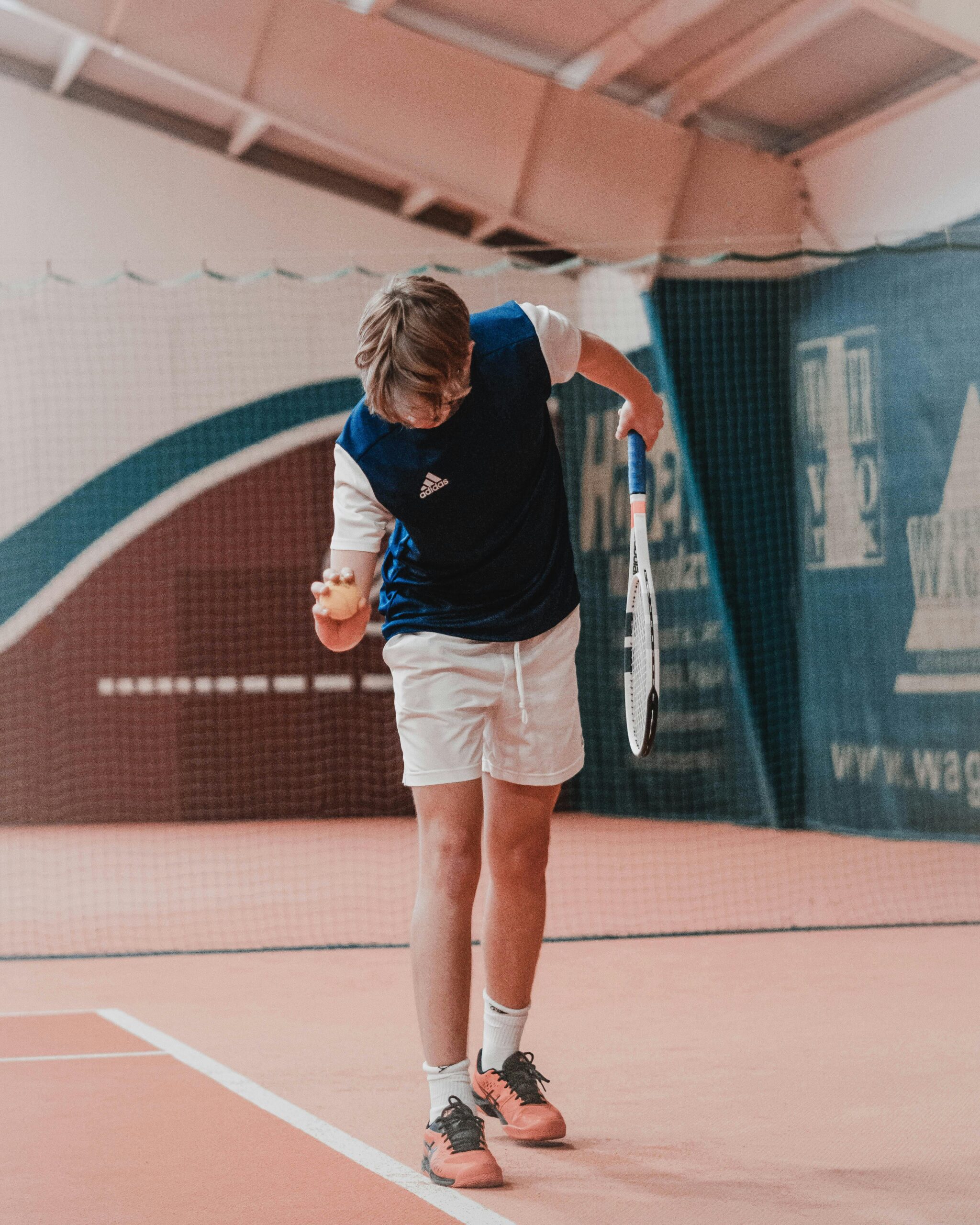
A tennis player must bounce the ball exactly five times before serving, not for rhythm or timing, but to prevent a vague sense of dread or imagined harm. Missing the ritual may cause overwhelming anxiety. - Intrusive Thoughts:
A soccer midfielder is plagued by the recurring thought that they might accidentally injure an opponent during a tackle, even though they play fairly and have no history of aggression. To reduce this anxiety, they begin avoiding physical plays altogether or seek constant reassurance from coaches and teammates that they “didn’t do anything wrong.” These thoughts are unwanted, distressing, and disrupt their ability to play with confidence. - Contamination Fears:
A swimmer showers compulsively after each session, afraid that the water carries “contaminants.” This behavior often consumes significant time and interferes with recovery routines. - Mental Compulsions and Rumination:
A baseball player lies awake for hours mentally replaying each play, reviewing mistakes that never happened, gripped by the fear of having let the team down.
The good news is that OCD is treatable, and athletes can recover, often emerging with greater resilience, emotional insight, and flexibility.
Supporting Athletes with OCD: Treatment and Hope
The good news is that OCD is treatable, and athletes can recover, often emerging with greater resilience, emotional insight, and flexibility. Key strategies include:
- Cognitive Behavioral Therapy (CBT) with Exposure and Response Prevention (ERP):
This is the gold-standard treatment. It helps athletes face triggering thoughts or situations without engaging in compulsive rituals. Over time, it reduces anxiety and restores autonomy. - Psychoeducation and De-stigmatization:
Normalizing OCD and educating athletes, coaches, and families helps reduce shame. Acknowledging that OCD is not a sign of weakness can help create a supportive environment where athletes may feel safe to be open about their experiences related to obsessions and compulsions. - Building a Supportive Environment:
Coaches and teammates play a critical role. Encouraging open conversations about mental health, respecting boundaries, and adjusting training when needed can dramatically affect recovery outcomes.
You're Not Alone - Help is Available
If you or your child is an athlete struggling with anxiety or OCD, know this: you don’t have to manage it alone. Performance doesn’t need to come at the cost of mental peace.
The Anxiety and Agoraphobia Treatment Center offers specialized care rooted in evidence-based treatment — designed to support everyone from kids who are feeling stressed about sports to high performers.
Reach out today to schedule an intake appointment. Let’s work together to help you break the cycle and reclaim joy in sport and life.